
Finding the best home storage solutions means selecting options that maximize space, reduce clutter, and fit your lifestyle. Storage systems like modular shelves, under-bed containers, and wall-mounted racks offer practical ways to organize any room efficiently.
Choosing the right mix of storage tools depends on your needs, available space, and the items you want to keep tidy. Effective storage is not about adding more containers but about smartly using existing spaces.
By focusing on versatile and accessible storage options, you can create a more functional and comfortable living area without overwhelming your home.
Understanding Home Storage Solutions
Home storage solutions come in many forms and serve different purposes depending on individual needs. Identifying the right type and understanding the benefits of organized storage can help maximize available space efficiently.
Types of Home Storage Solutions
Storage solutions vary widely, from freestanding shelves and built-in cabinets to modular units and multi-purpose furniture. For example, wire racks are great for garages, while closed cabinetry works well in living areas to hide clutter.
Closet organizers, drawer dividers, and stackable bins streamline small spaces like bedrooms and kitchens. Vertical storage, like wall-mounted hooks, saves floor space, ideal for tools or kitchen utensils.
Choosing materials—plastic, wood, or metal—depends on durability needs, budget, and aesthetic preferences. Each type targets specific storage challenges, such as limited floor space or difficult-to-reach areas.
Assessing Your Storage Needs
Start by evaluating the items requiring storage. Categorize possessions by size, frequency of use, and fragility. For example, seasonal clothes need less frequent access, whereas everyday cookware must be easily reachable.
Measure your available space accurately, including height, width, and depth, ensuring storage units fit precisely. Consider lifestyle factors, such as children’s items or hobby materials, influencing storage type and location.
Create a rough plan of where items belong, prioritizing zones—kitchen, bedroom, garage—and adjust based on accessibility. This prevents overcrowding and underutilization of certain areas.
Benefits of Organized Storage
Effective storage reduces clutter, improving safety and cleanliness. It minimizes time spent searching for items, increasing daily efficiency.
Organized spaces can extend the life of belongings by protecting them from damage and dust. It also creates a more welcoming home environment, reducing stress associated with disorganization.
Financially, proper storage cuts down unnecessary repurchasing of lost items and makes better use of existing furniture and space, which may delay costly renovations or moves.
Maximizing Closet Storage
Efficient closet storage depends on structure, tools, and clever use of space. Applying a combination of systems, hangers, and specific storage items can transform cramped areas into functional zones.
Closet Organization Systems
Closet organization systems include modular shelving, adjustable rods, and drawer units tailored to fit different closet shapes. These systems create designated zones for clothes, accessories, and seasonal items, improving access and visibility.
Using vertical space is crucial. Installing double hanging rods or adding shelf dividers increases capacity without clutter. Clear or labeled bins help keep small items in order.
Some systems come with built-in lighting and sliding doors to enhance usability, especially in walk-in closets. Materials like wire, wood, and laminate offer options for durability and style.
Space-Saving Hangers and Racks
Space-saving hangers, such as slimline velvet, cascading, and tiered hangers, allow multiple garments to occupy less horizontal space. Velvet hangers prevent slipping and maximize uniformity.
Cascading hangers suspend vertically, perfect for storing similar items like pants or skirts. They create extra hanging layers without crowding.
Racks, including wall-mounted and over-the-door types, provide additional storage for scarves, belts, and ties. Collapsible racks offer flexibility when not in use, ideal for small closets.
Shoe Storage Ideas
Shoe storage can be optimized using cubbies, racks, or clear boxes. Cubby units keep pairs visible and accessible, reducing floor clutter.
Over-the-door shoe organizers utilize unused vertical space. Clear plastic boxes protect shoes while allowing quick identification.
For high heels, angled racks or tiered shelves hold multiple pairs safely and prevent damage. Rotating or pull-out racks increase accessibility in narrow closets, keeping shoes orderly and easy to access.
Smart Kitchen Storage Solutions
Maximizing space and accessibility in the kitchen can transform daily cooking and cleanup. This involves thoughtful placement, specialized organizers, and using often overlooked areas effectively.
Pantry Organization Strategies
Start by categorizing pantry items—dry goods, canned foods, spices, and baking supplies—and assign each group its own area. Use clear, airtight containers to keep items fresh and visible. Label containers and shelves clearly for easy identification.
Vertical space is valuable. Add tiered shelves or stackable bins to increase storage without cluttering counters. Consider pull-out baskets or sliding shelves for better access to items at the back.
Maintain accessibility by placing frequently used items at eye level. Rotate products so older items are in front to reduce waste. Regularly purge expired goods to keep the pantry neat and functional.
Cabinet and Drawer Organizers
Install adjustable dividers in drawers to separate utensils, gadgets, and small tools. Use deep drawers for pots and pans, inserting removable trays or racks to prevent stacking mess.
For cabinets, incorporate pull-out shelves or lazy Susans to utilize corner spaces effectively. Door-mounted racks can hold spices or lids, saving shelf space.
Opt for modular organizers that fit your specific kitchen dimensions to avoid wasted space. Keep heavy items lower for safety and lighter cooking tools higher for convenience.
Utilizing Wall Space in the Kitchen
Walls can hold more than just decoration. Use magnetic strips to store knives or metal utensils within reach while freeing up drawer space. Pegboards offer customizable storage for pots, pans, and cups.
Floating shelves can display frequently used ingredients or decorative jars with dry goods. Hooks or rails installed under cabinets create spots for mugs or small kitchen tools.
Maximize unused vertical areas by combining multiple wall storage options. Secure installations properly to support the weight of stored items safely.
Optimizing Living Room Storage
Effective living room storage manages clutter while maintaining style and accessibility. Solutions range from furniture that doubles as storage to organized electronics setups and elegant items that blend function with decor.
Multi-Functional Furniture
Multi-functional furniture serves dual purposes, maximizing space without sacrificing comfort. Pieces like ottomans with hidden compartments or coffee tables equipped with drawers provide discreet storage for blankets, books, or remote controls.
Sofas with built-in storage underneath or armrests that house small items are practical for keeping essentials within reach. Fold-out sofas add guest sleeping space while storing bedding inside.
Prioritize furniture that fits the room’s scale and your storage needs. Materials like sturdy wood or metal frames improve durability. Look for designs with easy-to-access compartments to avoid clutter buildup.
Media and Electronics Organization
Electronics and media accessories often cause visual clutter. Use entertainment centers with integrated cable management to hide cords and maintain a clean appearance.
Wall-mounted shelves or cabinets can accommodate gaming consoles, streaming devices, and DVDs without occupying floor space. Label cable ties and storage bins for smaller items like chargers and adapters.
Consider mounting TVs on articulating arms to free up surface space below. Use slim, purpose-built media storage units that allow airflow to prevent overheating. Keeping all media devices organized improves both function and aesthetics.
Decorative Storage Options
Decorative storage merges style with usability, offering visually appealing ways to keep items organized. Woven baskets, stylish bins, or decorative boxes can hold toys, magazines, or craft supplies.
Floating shelves with framed storage boxes combine display and storage, allowing you to showcase personal items while hiding clutter. Choose containers that complement your decor palette for a cohesive look.
Use labeling discreetly on decorative containers to maintain order without detracting from appearance. Layer textures and colors thoughtfully to add interest while keeping the space tidy.
Innovative Bathroom Storage Ideas
Maximizing space in the bathroom requires solutions that efficiently use vertical and hidden areas. Consider options that combine accessibility with sleek design to keep essentials organized without clutter.
Over-the-Toilet Solutions
Over-the-toilet shelving units make use of vertical space above the toilet, an area often overlooked. These units can be freestanding or wall-mounted, providing open shelves or closed cabinets to store towels, toiletries, and cleaning supplies.
Materials range from metal to wood, allowing coordination with existing bathroom decor. Look for models with adjustable shelves to customize storage height. Some include hooks or towel bars to increase functionality without crowding the space.
Vanity and Under-Sink Storage
The space under the sink often has awkward plumbing that limits storage options. Customizable organizers with pull-out baskets or stackable bins help maximize this area.
Drawers or cabinets with built-in dividers keep items sorted and easy to reach. Use clear containers for visibility and label them to reduce clutter. Consider adding adhesive hooks or small caddies inside cabinet doors to store smaller items like brushes or razors.
Wall Shelves and Racks
Installing wall shelves or racks frees up counter space and keeps frequently used items within reach. Floating shelves are popular for their minimal footprint and modern look.
Metal racks with towel bars combine storage with drying space. Magnetic strips or pegboards can hold metal tools and accessories neatly. Position shelves at varying heights to optimize storage for different-sized items like bottles, jars, or decorative baskets.
Bedroom Storage Optimization
Maximizing bedroom storage means using hidden spaces effectively and organizing daily essentials within easy reach. Utilizing specific furniture and accessories can transform cluttered areas into neat, accessible zones.
Under-Bed Storage
Under-bed storage is ideal for seasonal clothes, extra bedding, or shoes. Choose clear plastic containers with wheels for easy access, allowing you to slide them in and out without heavy lifting.
Consider vacuum-sealed bags for bulky items like comforters; these reduce volume and protect from dust. Low-profile drawers with compartments help keep smaller items neat.
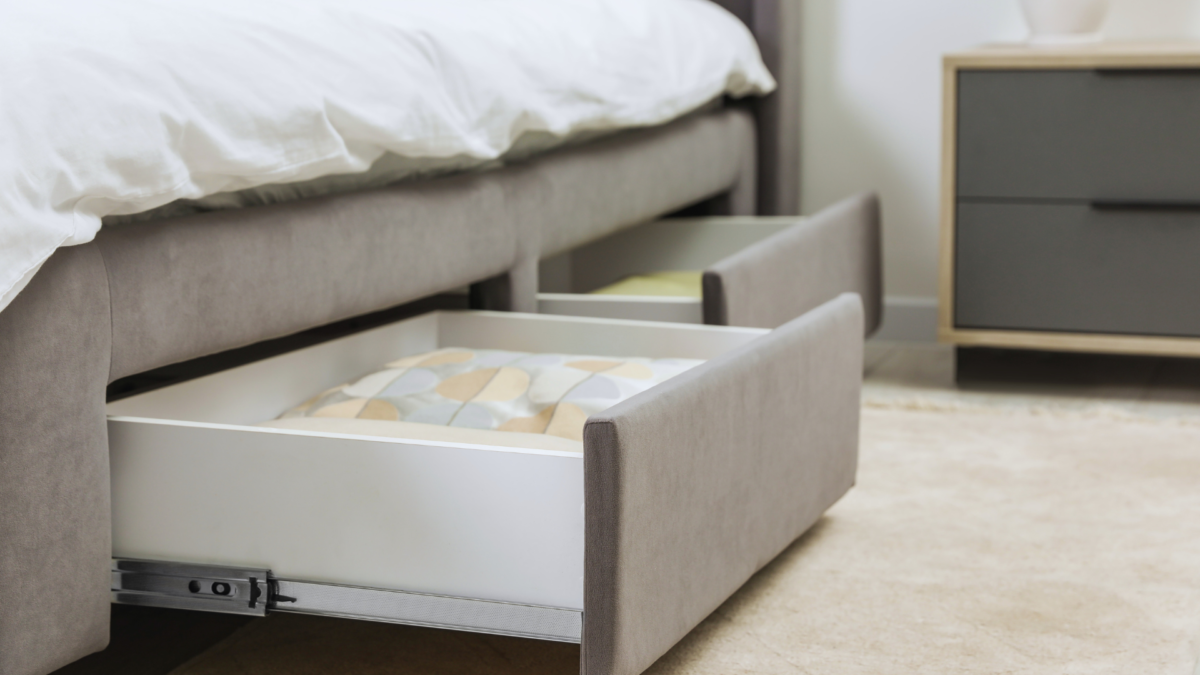
Ensure the bed frame is high enough to accommodate storage bins or invest in beds with built-in drawers. Label containers for faster retrieval.
Nightstand and Dresser Organization
Nightstands hold essentials like glasses, books, and chargers. Use drawer dividers or small trays to separate items and avoid clutter. Opt for nightstands with multiple drawers for better sorting.
Dressers benefit from organizing tools like drawer inserts for socks, underwear, and accessories. Fold clothes vertically to see everything at once and use shallow trays at the top for jewelry or watches.
Keep surfaces clear by storing most items inside, enhancing both aesthetics and functionality. Regularly declutter to maintain order and ease of use.
Entryway and Mudroom Storage
Effective entryway and mudroom storage focuses on organizing items frequently used when entering or leaving the home. This includes managing footwear, outerwear, and small personal items to keep the space tidy and functional.
Shoe and Coat Racks
Shoe and coat racks are essential for keeping entryways clutter-free. Opt for sturdy racks with multiple tiers or hooks to accommodate various shoe sizes and multiple coats. Wall-mounted options save floor space, while freestanding racks offer flexibility in placement.
Materials like metal or wood provide durability and style, depending on your decor. Some racks include a bench or a lower shelf for additional shoe storage. Consider racks with adjustable hooks or removable trays for easier cleaning and customization.
Cubby and Bench Storage
Cubby and bench storage combines seating with organization, making it practical for entryways and mudrooms. Benches with hidden storage allow you to tuck away shoes, bags, and seasonal items, reducing visible clutter.
Cubby units with labeled compartments help keep items separated by family member or item type. Incorporating baskets or bins inside cubbies enhances organization and makes it easy to grab essentials quickly. Combining seating with storage improves usability and efficiency in tight spaces.
Garage and Utility Area Organization
Organizing a garage or utility area requires maximizing vertical and overhead space while ensuring easy access to tools and frequently used items. Durable materials and modular systems are key to creating flexible, long-lasting storage solutions that adapt to changing needs.
Shelving Solutions
Adjustable metal or heavy-duty plastic shelves are ideal for storing bins, paint cans, and seasonal gear. Shelves with wire racks provide ventilation to prevent moisture buildup, which protects stored items.
Modular shelving allows customization to fit awkward spaces or different storage needs. Label bins and shelves clearly to save time when searching for items, and keep heavier items on lower shelves to avoid accidents.
Tool and Equipment Storage
Pegboards with hooks offer a flexible way to organize hand tools. Magnetic strips can hold smaller metal tools and keep them visible and accessible.
Mobile tool carts combine portability with storage efficiency. Use dedicated containers for small parts and fasteners. Heavy power tools should be stored on sturdy workbenches or wall-mounted racks to prevent damage and clutter.
Overhead Storage Systems
Ceiling-mounted racks or hoists utilize unused overhead space for bulky items like kayaks, seasonal decorations, or extra storage bins. Ensure installations are secure and rated for the weight of stored items.
Clear or labeled storage bins help identify contents without taking items down. Leave an accessible pathway under overhead racks for safety and ease of movement. Overhead systems free up floor space and reduce clutter.
Creative Storage for Small Spaces
Maximizing space with clever storage options can transform a small room into a functional area. Utilizing vertical areas and choosing adaptable furniture are key strategies to increase storage without clutter.
Vertical and Wall-Mounted Storage
Wall-mounted shelves and hooks free up floor space by moving storage upward. Installing floating shelves in narrow corridors or above door frames can hold books, plants, or kitchen supplies safely out of the way.
Pegboards offer flexible storage for tools or craft supplies, allowing easy rearrangement as needs change. Magnetic strips on walls can store knives or metal tools without taking up drawer space.
Using vertical baskets or hanging organizers on closet doors boosts capacity by creating compartments for shoes or accessories. Anchoring storage vertically keeps items accessible and maintains a clean footprint in small spaces.
Multi-Purpose Furniture for Small Rooms
Furniture that serves double duties increases storage without requiring additional room. Beds with built-in drawers underneath provide space for linens or clothes without separate dressers.
Coffee tables or ottomans with hidden compartments allow discreet storage of magazines or remote controls. Folding desks or wall-mounted drop-leaf tables save space when not in use but open up work surfaces when needed.
Modular sofas with storage units built into their bases combine seating and storage efficiently. Choosing pieces designed for multiple functions adds practicality while keeping the room uncluttered.
Sustainable and Eco-Friendly Storage Options
Choosing storage options with sustainability in mind reduces waste and energy consumption. These solutions prioritize materials and manufacturing processes that have a lower environmental impact while maintaining functionality and durability.
Recycled Material Storage Solutions
Storage products made from recycled materials reuse waste like plastics, metals, or paper, cutting down on raw resource use. Common items include bins, baskets, and shelves crafted from recycled polypropylene or reclaimed wood.
Using recycled plastic containers reduces landfill waste and often provides durability similar to new plastics. Reclaimed wood shelves add natural aesthetics and avoid deforestation by repurposing existing materials.
Look for certifications like FSC (Forest Stewardship Council) on wood products and Global Recycle Standard labels on plastics for assurance of recycled content and responsible sourcing. These standards indicate genuine eco-friendly construction rather than merely marketing claims.
Energy-Efficient Organizational Products
Some storage options are designed to minimize energy use during production and throughout their life cycle. For example, modular units that can be expanded or reconfigured reduce the need to buy new products frequently.
LED-illuminated storage or smart organizational systems use low-energy technologies to improve visibility and access without a high electricity burden. Choosing items with energy-efficient manufacturing processes, such as local production, also lowers carbon footprint.
Purchasing products from brands committed to renewable energy use in factories or using recycled packaging further supports energy efficiency in home storage solutions.
Custom Built-In Storage Solutions
Custom built-in storage maximizes space by integrating directly into your home’s architecture. Unlike freestanding units, these solutions are tailored to fit unique dimensions and design preferences.
These installations can include closets, shelving, cabinets, and seating with hidden compartments. They improve organization while maintaining a clean and cohesive look throughout the room.
Advantages of custom built-ins:
- Efficient use of awkward or small spaces
- Increased property value
- Personalized design options
- Enhanced durability compared to modular furniture
Materials commonly used are wood, plywood, or MDF with various finishes like paint, stain, or laminate. Hardware such as soft-close hinges and drawer slides provides smooth operation.
Consider the room’s purpose and traffic flow when planning. For instance, a built-in desk in a home office or extra drawers in a bedroom closet can significantly streamline daily activities.
Key points:
| Feature | Benefit |
| Floor-to-ceiling units | Maximize vertical space |
| Integrated lighting | Improves visibility and usability |
| Adjustable shelves | Flexibility for different items |
Professional design and installation ensure precise measurements and lasting quality. Custom built-in storage is a long-term investment in function and aesthetics.
Maintenance and Upkeep of Storage Systems
Regular cleaning is essential to maintain the functionality and appearance of storage systems. Dust and debris can accumulate and affect sliding mechanisms or damage surfaces over time.
Inspect storage units periodically. Check for loose screws, broken hinges, or worn-out parts to prevent further damage.
Using the right cleaning materials is important. For wood, use a soft cloth and mild cleaner. For metal or plastic surfaces, a damp cloth with gentle detergent usually works well.
Organization plays a role in upkeep. Avoid overloading shelves or containers, as excess weight can cause deformation or collapse.
Here is a simple maintenance checklist:
| Task | Frequency | Notes |
| Dust surfaces | Weekly | Use a microfiber cloth |
| Tighten screws/hinges | Monthly | Use appropriate tools |
| Clean spills | Immediately | Prevent stains or damage |
| Declutter | Quarterly | Avoid overcrowding |
Labeling storage areas can improve order and reduce the time spent searching for items. Well-maintained storage solutions extend their lifespan and support a more organized environment.
Trends in Home Storage Solutions
One major trend in home storage is the rise of multi-functional furniture. Items like ottomans with hidden compartments and beds with built-in drawers maximize space without sacrificing style.
Sustainability is also influencing storage options. Many people choose eco-friendly materials such as bamboo, recycled plastics, and reclaimed wood. These materials offer durability while reducing environmental impact.
Technology integration is becoming more common. Smart storage units with built-in charging ports and app-controlled locks add convenience and security.
Minimalism continues to shape storage design. Clean lines and neutral colors help maintain a clutter-free aesthetic. Modular systems that can be easily expanded or rearranged also remain popular.
| Trend | Description | Example |
| Multi-functional | Furniture serving multiple storage purposes | Storage ottomans, sleeper sofas |
| Sustainable materials | Eco-conscious, durable sourcing | Bamboo shelves, recycled bins |
| Technology | Integration of smart features | App-locked cabinets, USB ports |
| Minimalist design | Simple, clean styles that reduce visual clutter | Modular closets, neutral tones |
These trends reflect a shift toward practical, adaptable, and eco-conscious storage solutions suited for modern living.