Home maintenance can feel overwhelming, especially for beginners. Regular upkeep prevents costly repairs and keeps your home safe and comfortable over time. Knowing where to start and what tasks matter most will save time and money.
This guide breaks down essential home maintenance tasks into simple steps anyone can follow. Whether it’s checking your HVAC system, inspecting your roof, or cleaning gutters, understanding basic routines helps protect your investment.
By learning key maintenance tips, you’ll gain confidence managing your home’s needs and avoid unexpected issues. This straightforward approach helps keep your property in good shape year-round.
Essential Home Maintenance Tools
Every home requires a basic set of tools to handle common repairs and upkeep efficiently. Proper safety gear and the right power tools can make maintenance tasks safer and faster.
Toolbox Basics
Start with essential hand tools such as a hammer, adjustable wrench, screwdrivers (both Phillips and flathead), and a tape measure. A utility knife, pliers, and a level are also important for accuracy and versatility.
Organize tools in a portable toolbox or bag to keep them accessible. Consider adding a set of hex keys and a small handsaw for occasional cutting tasks. Quality matters more than quantity—choose durable tools that will last.
Safety Equipment
Protective gear is essential when doing home repairs. Invest in safety goggles to shield your eyes from debris and dust during cutting or sanding. Work gloves prevent splinters and cuts.
Hearing protection like earplugs or earmuffs is necessary when operating loud power tools. Respirators or dust masks are important when working in dusty or chemical environments. Always ensure good ventilation when using chemicals or paint.
Power Tools for Beginners
For basic home maintenance, start with a cordless drill, which can drive screws and drill holes efficiently. Opt for a drill with adjustable speed and torque settings for versatility.
A small circular saw, or jigsaw, can handle cutting wood for minor projects. An electric sander helps smooth surfaces, but it is optional for beginners. Prioritize tools with ergonomic designs to reduce fatigue during use.
Creating a Home Maintenance Schedule
Organizing tasks by frequency helps keep a home in good condition and prevents major repairs. Regular attention to specific areas ensures efficiency and safety throughout the year.
Monthly Tasks
Monthly tasks include checking smoke detectors and replacing batteries to maintain safety. Clean or replace HVAC filters to improve air quality and system performance.
Inspect kitchen and bathroom faucets for leaks, and clear drains to avoid blockages. Test garage door openers and lubricate hinges or rollers if needed.
Review fire extinguishers to confirm they are charged and accessible. Inspect exterior drainage areas, such as gutters and downspouts, for debris that might cause water buildup.
Seasonal Maintenance
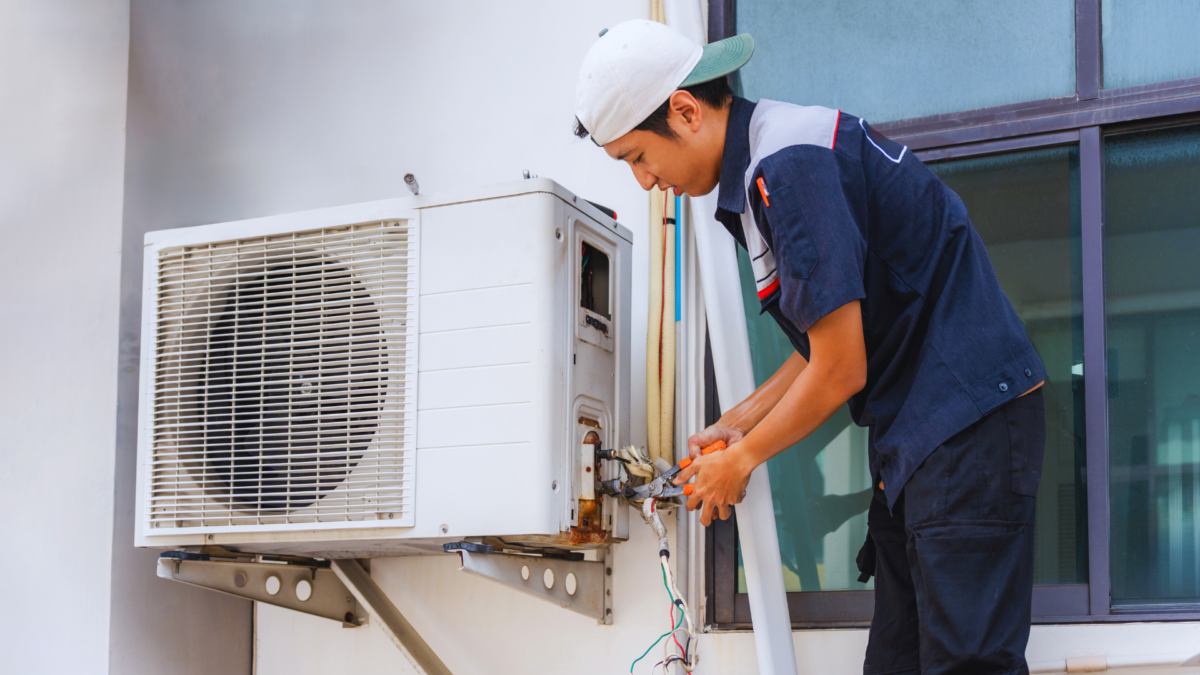
Seasonal maintenance aligns with weather changes and addresses key systems. In spring, clean gutters thoroughly, inspect the roof for damage, and service air conditioning units before use.
In the fall, have the heating system inspected and change filters. Winterize outdoor faucets and irrigation systems to prevent freezing damage.
Check window and door seals seasonally to enhance insulation. Removing debris from yards and trimming trees near the house reduces risks during storms.
Annual Checklists
Annual tasks cover deeper inspections and upkeep. Schedule a professional inspection of the roof, chimney, and foundation for structural safety.
Flush water heaters to remove sediment buildup and evaluate plumbing for leaks or corrosion. Test the sump pump and ensure basement drainage systems function properly.
Service major appliances, including the furnace and air conditioning unit, at least once a year. Review and update emergency kits and home insurance policies annually.
Keeping your coverage up to date helps protect your finances if unexpected damage occurs. Many homeowners find it helpful to speak with a local agent who understands regional weather risks. If you want to compare local rates, searching for home insurance near me is a good first step. This search connects you with professionals who can evaluate your current property value. They can also help you find discounts for safety upgrades like new roofing or storm shutters.
Inspecting Your Home’s Structure
A thorough inspection focuses on signs of water damage, the stability of your foundation, and the condition of your roof. Early detection of issues in these areas can prevent costly repairs and keep your home safe.
Checking for Leaks
Look for water stains on ceilings and walls, which often indicate leaks. Check around windows, doors, and pipes, paying attention to damp spots or peeling paint.
Inspect basements and crawl spaces for standing water or mold growth. Use a flashlight to examine hidden corners and joints. If you detect a leak, identify its source immediately to prevent structural damage.
Regularly test plumbing fixtures by running water and observing for drips or corrosion. Addressing small leaks early reduces the risk of more extensive water damage.
Foundation Inspection
Examine your home’s foundation for cracks or gaps. Hairline cracks can be common, but wider or shifting cracks may signal serious problems.
These structural shifts often happen when the soil under the house gets too wet or too dry. Homeowners in dry, coastal regions often face unique soil movement that damages concrete slabs. If you notice doors that stick or cracks in your drywall, it is wise to get a professional opinion. Getting a foundation inspection Orange County helps you find the root cause of these issues before they get worse. A specialist can check the drainage and tell you if you need simple repairs or more serious work.
Check for uneven floors, stuck doors, or windows that don’t close properly, as these can indicate foundation movement. Also, look for signs of soil erosion near the base.
Keep gutters and downspouts clear to ensure water is directed away from the foundation. Moisture buildup can weaken the foundation and cause settlement issues over time.
Roof Condition Assessment
Inspect shingles for missing, curled, or damaged pieces, which can cause leaks. Look carefully around chimneys, vents, and skylights for cracked flashing.
Check gutters for debris and ensure they drain properly. Blocked gutters can trap water, leading to roof damage.
If your roof is over 20 years old, consider a professional inspection. Early repairs can extend its life and prevent interior damage.
Maintaining Plumbing Systems
Proper care of plumbing involves regular checks and simple habits to prevent damage. Knowing how to avoid blockages, recognizing early signs of leaks, and understanding your home’s shut-off valves can save time and money on repairs.
Preventing Clogs
Clogs occur when debris accumulates inside pipes, causing slow drainage or backups. Avoid pouring grease, coffee grounds, or food scraps down kitchen sinks. Use drain covers to catch hair and soap residue in bathroom drains.
Regularly flush drains with hot water to dissolve minor buildup. For stubborn clogs, a plunger or a drain snake can clear pipes without harsh chemicals. Avoid chemical drain cleaners, as they can damage pipes and harm the environment.
Inspecting Faucets and Pipes
Check faucets and pipes for leaks monthly by looking under sinks and around fixtures. Even small drips can waste water and indicate worn washers or seals. Tighten loose connections with a wrench and replace damaged parts promptly.
Look for corrosion, discoloration, or bulges on pipes, especially in basements or crawl spaces. These signs may indicate pipe deterioration that requires professional attention. Early detection prevents costly water damage.
Shut-Off Valve Locations
Identify all main and secondary shut-off valves in your home. The main valve controls water to the entire house, usually near the water meter or where the supply line enters. Secondary valves are found near sinks, toilets, and appliances.
Label valves clearly to avoid confusion during emergencies. Test them a couple of times a year to ensure they turn easily. Knowing valve locations allows for quick water shutoff, minimizing damage in case of a pipe burst or major leak.
Electrical Maintenance Basics
Proper electrical maintenance keeps your home’s system safe and functional. This involves regular checks on essential safety devices, understanding your circuit panel, and knowing how to safely replace basic fixtures.
Testing Smoke Detectors
Smoke detectors should be tested monthly to ensure they work properly. Press and hold the test button on the unit until the alarm sounds. If it doesn’t sound or is weak, replace the batteries immediately.
Change batteries at least once a year, even if the alarm seems fine. Clean detectors by gently vacuuming dust to prevent false alarms or malfunctions. Replace the entire smoke detector every 10 years as sensors degrade over time.
Breaker Panel Overview
Your breaker panel controls power throughout the house and protects wiring from overload. Each switch corresponds to a circuit in your home. Labels on the panel indicate which areas or appliances are covered by each breaker.
If a circuit trips, reset it by switching the breaker off and then back on. Avoid forcing breakers as this can cause damage. If breakers frequently trip, it may indicate overloaded circuits or faulty wiring, requiring a professional inspection.
Replacing Light Fixtures
Turn off the power at the breaker before starting any light fixture replacement. Confirm power is off by testing the switch or using a voltage tester on wires.
Remove the old fixture carefully, noting how wires are connected: typically black (live), white (neutral), and green or copper (ground). Match these colors when attaching the new fixture. Secure connections with wire nuts and mount the fixture firmly to the ceiling or wall.
Restore power and test the new fixture. If it doesn’t work, recheck wiring or breaker status. For complex fixtures, consult a licensed electrician.
Heating and Cooling System Upkeep
Maintaining your HVAC system improves its efficiency and extends its lifespan. Key tasks include regular inspection and replacement of critical components, ensuring good air flow, and verifying settings for optimal performance.
Changing Air Filters
Air filters trap dust, pollen, and debris, preventing them from circulating through your home. Change filters every 1 to 3 months, depending on usage and filter type.
Neglecting to replace filters causes the system to work harder, increasing energy costs and risking damage. Use HEPA or high-efficiency filters for better air quality. When changing, turn off the system to avoid pulling dust into the unit.
Mark the date of replacement to track future changes easily. If you have pets or allergies, consider checking filters more frequently.
Inspecting Vents and Ducts
Vents and ducts must be clean and unobstructed for efficient airflow. Inspect for dust build-up, blockages, or damage at least twice a year.
Ensure vents are open and not covered by furniture or curtains. Duct leaks reduce efficiency and increase energy bills; use duct tape or hire a professional for sealing.
Look for visible signs of mold or moisture, which can indicate a ventilation problem needing immediate attention.
Thermostat Settings Check
Verify the thermostat is set correctly to balance comfort and energy use. Use programmable thermostats to schedule temperature changes automatically.
Test batteries periodically and recalibrate if temperature readings seem inaccurate. Set heating no higher than 68°F in winter and cooling no lower than 78°F in summer for efficiency.
Avoid placing the thermostat near heat sources, direct sunlight, or drafts to ensure accurate temperature sensing.
Interior Maintenance Tips
Properly maintaining your home’s interior involves targeted upkeep tasks that improve energy efficiency and protect surfaces. Paying attention to small details like seals and paint can prevent costly repairs later.
Caulking and Sealing
Caulking gaps around windows, doors, and baseboards prevents drafts and moisture intrusion. Use a high-quality silicone or acrylic caulk suited for your specific area. Before applying, remove old caulk with a putty knife and clean the surface thoroughly.
Apply caulk in a steady, continuous line and smooth it with a damp finger or a caulking tool. Inspect caulking annually, especially in high-moisture areas such as bathrooms and kitchens, to maintain an effective seal. Proper sealing improves insulation and reduces energy bills.
Paint Touch-Ups
Regularly examine walls, trim, and doors for chips, cracks, or peeling paint. Addressing these issues early prevents drywall damage and keeps surfaces protected from moisture and wear. Use touch-up paint that matches your original color exactly.
Clean the area before painting and remove any loose paint with fine sandpaper. Apply paint in thin, even coats, allowing each layer to dry fully. For larger damaged spots, priming may be necessary to ensure proper adhesion and a uniform finish.
Outdoor and Yard Care
Maintaining the exterior of your home involves regular attention to key areas that protect your property and enhance its appearance. Proper upkeep helps avoid costly repairs and keeps your yard healthy.
Gutter Cleaning
Gutters must be cleared of leaves, dirt, and debris at least twice a year, ideally in spring and fall. Clogged gutters cause water to overflow, which can damage your roof, siding, and foundation. Use a sturdy ladder and wear gloves to remove buildup safely.
Flush gutters with a hose to check for proper flow and examine downspouts for blockages. Consider installing gutter guards to reduce debris accumulation if you have many trees nearby. Regular inspection prevents water damage and protects your home’s structure.
Lawn and Garden Tasks
Regular mowing keeps grass healthy; cut often enough to remove only one-third of the blade length to avoid stress. Water lawns deeply once or twice a week rather than frequent shallow watering. This promotes deeper root growth.
Remove weeds manually or with approved herbicides to prevent them from spreading. Mulch garden beds to retain moisture and reduce weeds. Prune shrubs and trees as needed to encourage healthy growth and maintain shape. Proper yard care improves curb appeal and supports plant health.
Home Maintenance Record Keeping
Good record-keeping helps manage home repairs and expenses efficiently. Keeping detailed information on repairs and organizing receipts and warranties ensures smoother maintenance and easier access when needed.
Tracking Repairs
Document every repair with the date, description, cost, and who performed the work. Use a physical notebook or digital spreadsheet to log this information consistently.
Include details such as parts replaced, service provider contact information, and any follow-up actions required. This makes future troubleshooting simpler and provides proof of upkeep for potential buyers or insurance claims.
Maintenance records can also be useful when reviewing homeowners insurance, especially after major renovations, roof replacements, or other significant property improvements. For Michigan homeowners, Insurance Agency Michigan offers a starting point for exploring coverage options and discussing whether existing policy limits, deductibles, and exclusions still meet their needs. Keeping inspection reports, repair invoices, and updated photographs organised can make these insurance discussions more productive.
Set reminders for routine checks or scheduled maintenance, such as HVAC servicing or gutter cleaning. Review and update your records regularly to ensure no task is overlooked.
Maintaining Receipts and Warranties
Store receipts and warranty documents in an organized system, like labeled folders or a digital filing app. Separate items by category (e.g., appliances, plumbing, electrical) for easy retrieval.
Warranties often include specific terms and expiration dates. Highlight these details so repairs can be claimed within the valid period. Photos of receipts and warranties can be backups if originals get lost.
Regularly review this collection to confirm coverage on major components and replace expired items as needed. Clear records reduce uncertainty during repair negotiations or replacement decisions.
Prioritizing Safety During Maintenance
Safety is the top priority when performing any home maintenance task. Always wear appropriate personal protective equipment (PPE) such as gloves, goggles, or masks, depending on the job.
Before starting, turn off power or water supplies if working with electrical or plumbing systems. This prevents accidents like electric shocks or water damage.
Use tools correctly and check their condition before use. A damaged or inappropriate tool can increase the risk of injury.
Keep your workspace clean and organized to avoid trips or falls. Remove clutter and secure loose rugs or cords that could cause accidents.
Be cautious when working at heights. Use a sturdy ladder and ensure it is placed on a flat surface. Never overreach or lean too far to maintain balance.
| Safety Tips | Examples |
| Wear PPE | Gloves, safety glasses, masks |
| Power and water are off | Switch circuit breakers, close valves |
| Tool inspection | Check blades, handles, and electrical cords |
| Clean workspace | Pick up debris, organize tools |
| Ladder safety | Stable base, proper angle, maintain balance |
Avoid rushing through tasks and always read instructions or labels on materials and tools. A careful approach reduces mistakes and hazards.
If unsure about a procedure, consider consulting a professional. Not all home maintenance jobs are safe for beginners.