
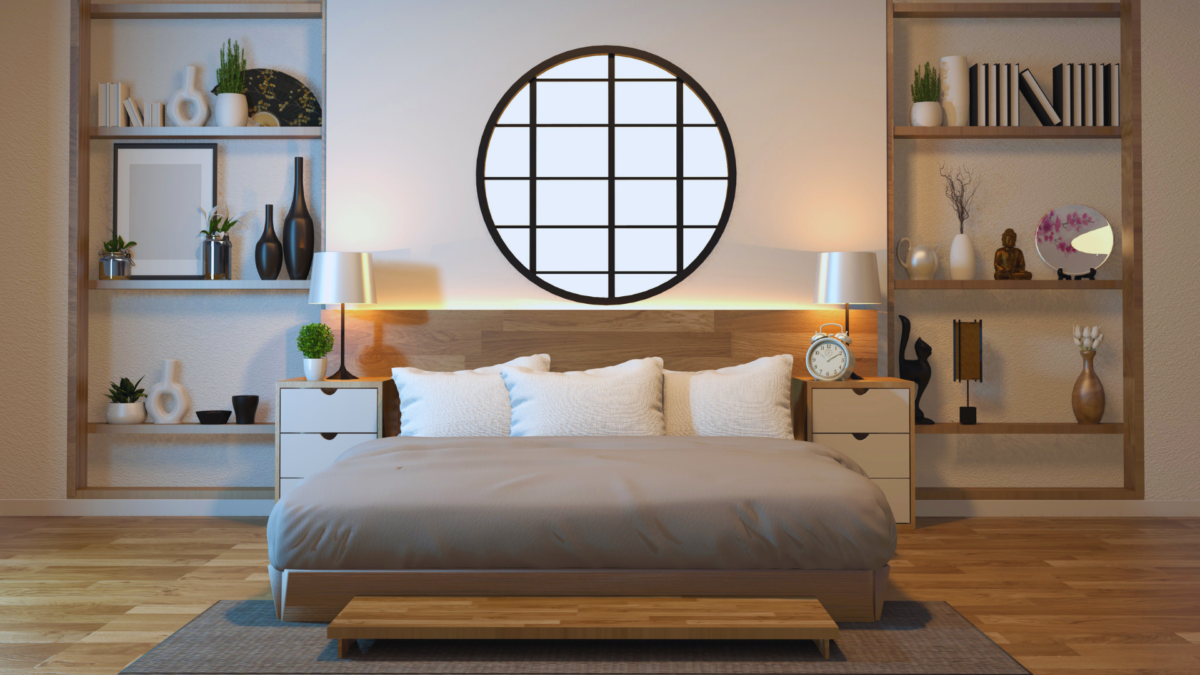
Decorating a bedroom can transform it into a personal sanctuary. To achieve an inviting and cohesive space, start by selecting a color palette that reflects the desired mood—calm blues for relaxation or warm tones for energy. Incorporating personal items, such as artwork or photographs, adds a unique touch and makes the room distinctly theirs.
Furniture arrangement plays a crucial role in maximizing space and function. Strategically placing a bed as the focal point, along with comfortable seating and effective storage solutions, enhances both style and usability. Adding layers with textiles—like rugs, curtains, and throw pillows—creates a cozy atmosphere that invites comfort.
Finally, effective lighting can elevate the bedroom’s ambiance. Mixing natural light with soft, adjustable fixtures allows for flexibility in setting the desired mood for different times of day. Balancing aesthetics with practicality ensures the bedroom remains a restful and beautiful haven.
Bedroom Design Foundations
Creating an inviting bedroom starts with understanding its design foundations. Key aspects include establishing a style, optimizing natural light, and selecting an appropriate color palette. Each component plays a vital role in achieving harmony and functionality.
Defining Your Bedroom Style
Choosing a bedroom style sets the tone for the entire space. Popular styles include modern, rustic, minimalist, or bohemian. Each style has unique characteristics, from furniture choices to decorative accents.
For instance, a modern bedroom often features clean lines and a neutral color scheme. In contrast, a bohemian room incorporates vibrant colors and varied textures. It is essential to select a style that resonates with personal preferences. Doing so creates a sense of comfort and tranquility.
Maximizing Natural Light
Natural light significantly impacts the feel of any bedroom. Maximizing it can enhance the ambiance and make the space feel larger. Consider positioning the bed near windows to take advantage of daylight.
In addition, using sheer curtains can soften sunlight while maintaining openness. Mirrors strategically placed can reflect light and create the illusion of more space.
Also, consider the room layout; placing furniture away from windows can help maintain natural light flow.
Choosing a Color Palette
A well-thought-out color palette can transform a bedroom. Colors influence mood and perception of space. Soft blues and pastel tones foster tranquility, while deeper colors like navy can add a touch of sophistication.
When selecting colors, it’s advisable to consider both walls and textiles. Using a mix of light and dark shades can create depth.
Incorporating accent colors through pillows or décor can add interest without overwhelming the space. Such a palette supports a cohesive look that enhances relaxation.
Essential Elements of Bedroom Decor
Creating an inviting bedroom involves several key elements that contribute to comfort and aesthetics. These aspects include thoughtful selections of bedding, the use of textures and colors, the inclusion of focal pieces, and the effective use of draperies.
Selecting Bedding and Cushions
Selecting the right bedding is crucial in setting the tone for any bedroom. Soft, breathable materials such as cotton or linen promote comfort. Opting for a color scheme that aligns with the overall decor enhances cohesion.
Cushions add layers and depth. They should be varied in size and shape, complementing the bedding while introducing patterns or textures. Mixing solid colors with printed cushions can create visual interest without overwhelming the space.
When arranging the bedding, consider a layered look. Start with a fitted sheet, add a flat sheet, and finish with a duvet or quilt. This not only enhances comfort but also allows for easy changes in style.
Many people find that natural materials work best for a good night of sleep. Wool and alpaca fibers are excellent choices because they help regulate body temperature throughout the night. This keeps you warm in the winter and cool during the summer months. If you want to find high-quality options made from these natural fibers, you can visit https://kiwiwool.nz/ to see their selection. Choosing the right fill material makes a big difference in how well you sleep each night.
Incorporating Textures and Soft Shades
Textures significantly influence the warmth of a bedroom. Combining different materials, such as soft knits, woven fabrics, or plush rugs, can invite tactile engagement. Felt, wool, or velvet accents introduce coziness and sophistication.
Soft shades, particularly pastels or neutral tones, contribute to a serene environment. Light blues, greens, and pinks promote relaxation, while deeper hues provide dramatic contrast. Balancing light and dark elements in decor can create visual harmony.
Consider using textured throws or blankets atop the bed or armchair. This adds complexity to the visual presentation, inviting a sense of comfort that encourages restfulness.
Highlighting a Statement Piece
A statement piece serves as the focal point of a bedroom. This could be a striking artwork, a unique piece of furniture, or an elaborate light fixture. The aim is to draw attention and inspire conversation.
When selecting a statement piece, consider how it reflects personal style. It should complement other elements without clashing. For instance, a bold painting might contrast beautifully with neutral bedding or furniture.
Placement of the statement piece is also critical. Centering it above the bed or making it the first thing seen upon entry can effectively anchor the room’s design.
Using Draperies Effectively
Draperies can enhance both functionality and aesthetics in a bedroom. They provide privacy, control light, and can regulate temperature. Choosing the right fabric, such as light-filtering sheers or heavy blackout curtains, impacts both appearance and usability.
Color and pattern choice for draperies should align with the overall theme. Opting for subtle patterns can add intrigue without overpowering. On the other hand, bold prints may invigorate a subdued color palette.
Installation height is another consideration. Hanging drapes close to the ceiling can make the room appear taller, creating an illusion of spaciousness. Consider using tiebacks for a more structured look or allow them to flow freely to enhance softness.
Creating a Relaxing Bedroom Environment
A relaxing bedroom environment is essential for promoting restful sleep and reducing stress. Key elements include the choice of colors, furnishings, and lighting that foster tranquility while ensuring the space is functional.
Promoting Rest and Relaxation
Color plays a vital role in creating a calming atmosphere. Soft, muted shades such as pale blues, greens, or warm neutrals help induce relaxation.
Bedding: High-quality sheets and blankets in soothing colors enhance sleep comfort. Opt for materials like cotton or linen that are breathable and soft.
Lighting must be gentle and adjustable. Consider using dimmable lights or soft lamps to create a serene ambiance. Adding blackout curtains can help block out unwanted light during the night.
Natural elements, such as plants or subtle aromatherapy, can enhance relaxation. Lavender or chamomile scents are known to promote a peaceful environment.
Balancing Functionality and Style
While aesthetics are important, functionality should not be overlooked. A well-organized space enhances usability and decreases stress.
Furniture: Choose pieces that provide both comfort and utility. A reading nook with a cozy chair and good lighting allows relaxation without clutter.
Storage solutions should be discreet yet efficient. Under-bed storage can keep items hidden, ensuring surfaces remain clean and visually appealing.
Personal touches add character. Incorporating artwork or family photos can make the space feel personal without overwhelming it.
Balancing beauty with practicality leads to a serene bedroom that supports relaxation and restful sleep.