
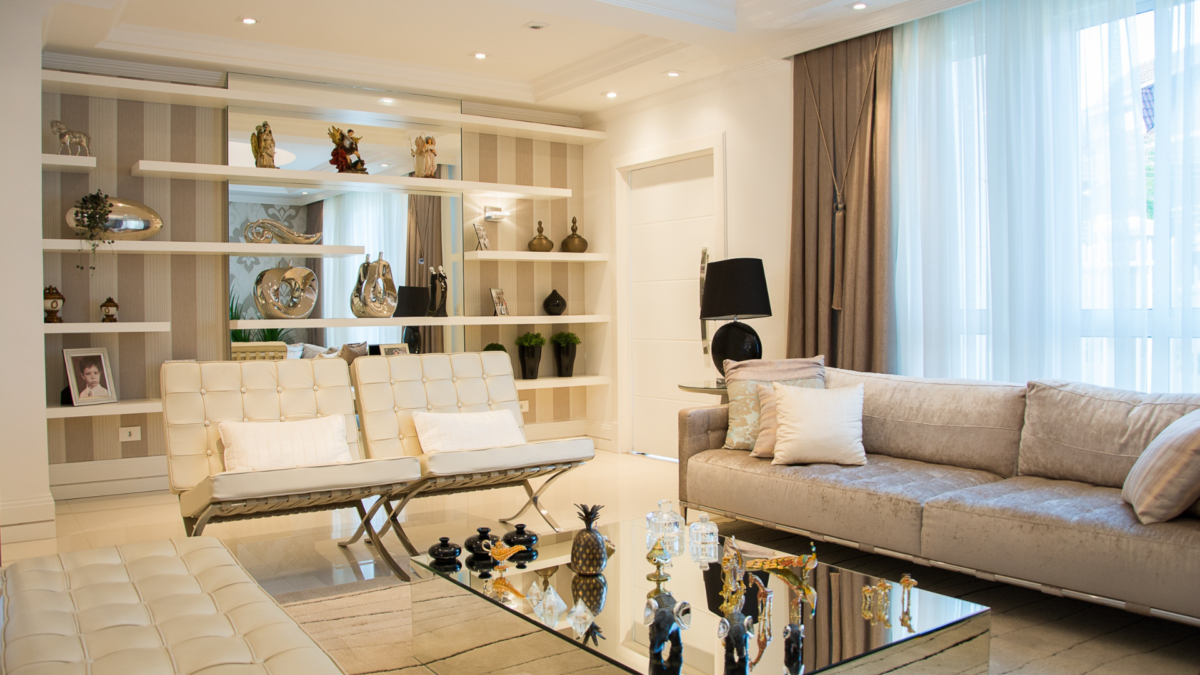
Creating a home that marries beauty and function is a pursuit many aspire to achieve. The key lies in choosing designs and furnishings that complement both style and practicality, ensuring that each element serves a purpose while remaining visually appealing. By prioritizing quality materials and thoughtful layouts, homeowners can create spaces that are not only stunning but also livable.
Incorporating beauty into functional spaces begins with understanding the daily needs within the home. From selecting furniture that fits seamlessly into lifestyle routines to utilizing colors that enhance mood, decisions should promote comfort and efficiency. This approach transforms the home into a sanctuary that reflects personal taste while meeting practical requirements.
Ultimately, a well-balanced home enhances daily living, making it essential to strike a harmonious blend between aesthetics and functionality. By considering both aspects during the design process, individuals can cultivate environments that inspire, relax, and serve their needs effectively.
Principles Of Balancing Beauty And Function
Achieving a balance between beauty and function is crucial in home design. This requires understanding the importance of both elements in creating a space that is not only visually appealing but also practical for daily living.
Understanding The Importance Of Balance
Striking a balance between beauty and functionality is essential for creating harmonious living spaces. Prioritizing only one aspect can lead to environments that feel incomplete or impractical.
For example, a stunning sofa might dominate a room visually, yet if it’s uncomfortable, it loses its practicality. When designing, every choice must consider both aesthetic appeal and usability.
An effective approach involves evaluating each element’s contribution to the overall environment. Make a checklist of features you want, like comfort and style, to keep the focus on balance throughout the design process.
Prioritizing Function Without Sacrificing Style
Functionality should lead the design process, ensuring each element serves a purpose. This doesn’t mean sacrificing visual appeal. Good design incorporates both without conflict.
Consider choosing furniture with built-in storage that combines sleek design with practical use. Opt for materials that are durable and easy to maintain yet stylish.
Lighting is another crucial element. Functional yet beautiful light fixtures can enhance the room’s aesthetics while serving a necessary purpose.
Attending to details such as size and placement can amplify both beauty and function. This can be the difference between a room that looks good on the surface and one that serves its intended purpose perfectly.
Establishing A Cohesive Design Framework
A cohesive design framework is vital for merging beauty and practicality. This framework acts as a guideline that ensures uniformity throughout the space.
Establish a color palette and stick to it. Neutral tones can serve as a base, allowing colorful accents to shine without overwhelming the overall design.
Pattern and texture should also be thoughtfully integrated. Use a mix of materials that complement each other while serving functional needs. For instance, soft textiles can create comfort, while hard surfaces add durability.
Remember, every room’s design choices should reflect a shared theme or style. This creates a smooth transition and a unified appearance that satisfies both aesthetic desires and practical requirements.
Design Strategies For An Elegant And Practical Home
Creating a home that embodies both elegance and practicality involves careful planning and strategic choices. By focusing on a timeless color palette, smart storage solutions, and the integration of textures and natural elements, one can achieve a balanced and inviting space.
Selecting A Timeless Color Palette
A well-chosen color palette lays the foundation for both beauty and functionality. Neutrals like whites, grays, and beiges create a calm backdrop that enhances the elegance of any space. Subtle accent colors, such as navy or forest green, can add interest without overwhelming the room.
Tips for selecting a color palette:
- Stick to three main colors to keep a cohesive look.
- Include various shades of these colors to create depth.
- Consider the natural light in the room, as it affects how colors appear.
This approach ensures that the colors remain stylish over time, contributing to an aesthetic that does not quickly go out of fashion.
Maximizing Space With Smart Storage Solutions
Storage solutions play a crucial role in achieving a minimalist and practical environment. Cleverly designed furniture, such as ottomans with hidden compartments or built-in shelving, can significantly enhance utility without sacrificing style.
Effective storage ideas include:
- Multi-functional furniture: Coffee tables with drawers, desks that double as storage units.
- Vertical storage: Utilize wall space with shelves that draw the eye upward.
- Customized cabinetry: Consider built-ins tailored to specific needs, blending seamlessly with home aesthetics.
These solutions promote an organized space, eliminating clutter while maintaining elegance.
Incorporating Textures And Natural Elements
Textures and natural elements elevate a home’s design, adding warmth and visual interest. Combining materials such as wood, stone, and fabrics creates a dynamic interplay that enhances both beauty and function.
Approaches to add texture:
- Mix materials: Pair smooth surfaces with rustic elements, like a sleek table against a textured wall.
- Use natural elements: Houseplants not only purify the air but also introduce organic beauty.
- Incorporate textiles: Soft throws, area rugs, and cushions provide comfort and style without overcrowding.
Such elements contribute to a serene environment that feels both refined and lived-in.
Functional Features That Enhance Daily Living
Incorporating functional features into home design can significantly improve daily living. Focus on natural light, customization of spaces, and durability to create an environment that supports both aesthetics and practicality.
Harnessing Natural Light And Ventilation
Natural light plays a vital role in enhancing the home atmosphere. Large windows, especially floor-to-ceiling designs, allow sunlight to flood spaces, creating warmth and openness.
Ventilation is equally important. Adequate airflow helps maintain indoor air quality and comfort. Homes should include strategically placed windows that can be easily opened and closed.
Consider adding skylights to darker areas. They provide additional light and ventilation without compromising privacy. Utilizing materials that reflect sunlight can maximize brightness indoors.
Customizing Spaces For Flexibility
Flexibility in home design caters to changing needs. Customizable spaces ensure that areas can serve multiple functions over time.
Open floor plans allow homeowners to adapt rooms for various activities, from social gatherings to quiet workspaces. Movable partitions enable a seamless transition between different uses of space.
Incorporating built-in furniture can enhance functionality. Foldable tables and Murphy beds optimize space without sacrificing style. This approach creates a dynamic environment that evolves with household requirements.
Ensuring Durability And Sustainability
Choosing durable materials is essential for long-lasting functionality. Homeowners should select finishes that resist wear, including scratch-proof surfaces and stain-resistant textiles.
Sustainability also plays a crucial role. Utilizing eco-friendly materials, such as bamboo and recycled metals, reduces environmental impact. Solar panels can further enhance sustainability while decreasing energy costs.
In addition to materials, architectural design should consider the home’s context. Implementing energy-efficient systems like natural heating and cooling will ensure a comfortable living environment while minimizing utility expenses.
Detailing Your Home With Stylish And Useful Decor
Incorporating stylish and useful decor transforms spaces into functional yet inviting areas. Focus on selecting items that enhance both aesthetics and utility, enriching various rooms within the home.
Choosing Functional Accessories
When choosing accessories, opt for pieces that serve a dual purpose. Vases can hold flowers or function as sculptural elements. Items like woven baskets not only provide storage but also add texture and warmth to a space.
Throw pillows add comfort and can be used to accentuate color schemes. Consider materials that are durable and easy to clean, ensuring that these accessories maintain their appeal over time. The aim is to select decor that reflects personal style while being pragmatic.
Highlighting Key Spaces Like Bedrooms And Reading Nooks
Key spaces such as bedrooms and reading nooks benefit significantly from thoughtful decor. In bedrooms, mixing functionality with comfort is essential. Bedside tables can be adorned with lamps and books, combining lighting and reading materials.
For reading nooks, design with comfort in mind. A cozy chair paired with a small side table enhances the usability of the space. Adding a woven basket for storing books keeps the area tidy while still inviting, ensuring that each element serves its purpose beautifully.
Blending Decorative And Practical Items
A harmonious blend of decorative and practical items creates a seamless flow within each room. Throw pillows on a sofa serve the dual role of enhancing comfort and style, while also allowing for easy changes to decor.
Integrating shelves can display books and decorative objects simultaneously, ensuring function and visual interest. Items like stylish storage boxes or baskets should be visible, providing structure while also serving as eye-catching decor features. This blend encourages an environment where beauty and functionality coexist effortlessly.