
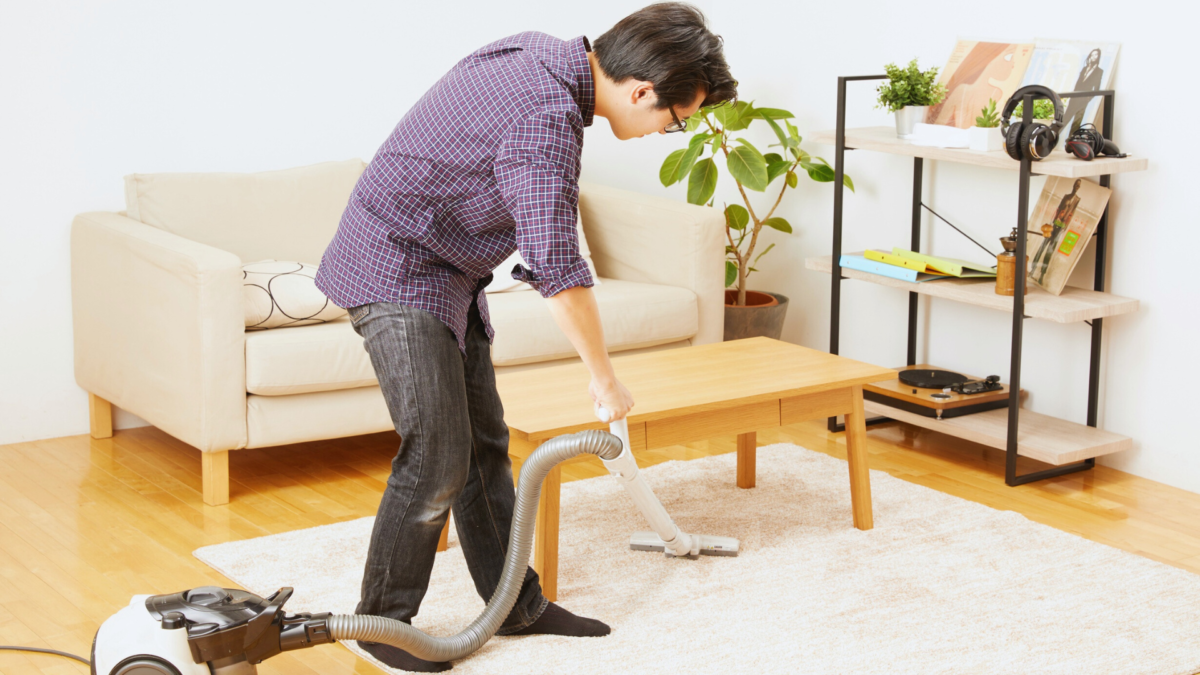
Busy schedules often leave little time for cleaning, but a tidy home is still achievable without spending hours on chores. The key is to adopt simple, effective strategies that fit into a tight routine and prevent mess from piling up.
Breaking cleaning tasks into small, manageable steps can save time and reduce stress. Using tools and products designed to speed up the process also makes maintaining cleanliness easier and more efficient.
Quick Daily Cleaning Routines
Consistent small tasks can keep a home tidy without taking much time. Simple habits in the morning and evening reduce buildup, and targeted speed-cleaning techniques help when time is tight.
Morning Maintenance Tasks
Start the day by making your bed; it instantly improves room order. Wipe down bathroom surfaces with a disinfecting wipe to prevent grime buildup.
Clear kitchen counters after breakfast by putting dishes in the dishwasher or washing them quickly by hand. Sweep or vacuum high-traffic areas to remove crumbs and dirt that gather overnight.
Spend 5 minutes tidying common spaces. Put away stray items like pillows, shoes, or mail. These brief actions set a cleaner tone for the day.
Evening Clean-Up Habits
Before bed, spend 10 minutes in the kitchen: wash dishes, wipe down countertops, and take out the trash if full. This keeps mess from accumulating overnight.
Quickly declutter living spaces using baskets or designated spots for loose items. Fluff cushions and fold blankets for a neat appearance.
Take a moment to spot-clean floors or surfaces where dust or spills appear. A nightly routine that targets trouble spots prevents larger cleaning sessions later.
Speed-Cleaning Methods
Focus on visible surfaces: tables, counters, and floors. Use a microfiber cloth for quick dusting that traps dust rather than redistributing it.
Set a timer for 10-15 minutes to clean one room at a time. Prioritize high-traffic rooms like the kitchen and living room.
Keep cleaning supplies in convenient locations throughout the home. Having tools at hand reduces the barrier to quick touch-ups during breaks or waiting periods.
Time-Saving Cleaning Tools and Products
Choosing the right tools and products can drastically reduce the time spent on cleaning. Prioritizing multifunctional tools, effective cleaning agents, and organized supplies enhances efficiency for busy schedules.
Essential Multi-Use Tools
Investing in tools that serve multiple purposes is key. A microfiber mop with a detachable cloth can clean floors and dust surfaces without switching items. Extendable dusters reach high areas quickly, eliminating the need for ladders or stools.
Cordless vacuum cleaners are convenient for quick cleanups around the house. They offer portability and easy storage. Consider tools with washable parts to reduce ongoing costs and waste.
Recommended Cleaning Products
Select products that simplify tasks without compromising cleanliness. All-purpose cleaners can replace several specialized sprays, saving storage space and decision time. Look for products that work on various surfaces like glass, countertops, and tiles.
Disinfecting wipes are useful for rapid sanitation, especially in kitchens and bathrooms. Consider fragrance-free or hypoallergenic options if sensitivities are a concern. Use eco-friendly products when possible to limit chemical exposure.
Organizing Your Cleaning Supplies
Keep supplies in a compact, portable caddy to streamline movement between rooms. Arrange frequently used items in front and categorize by function—sprays, cloths, and brushes.
Label containers to avoid confusion and speed up restocking. A dedicated storage spot in a central location reduces time lost searching for tools. Regularly declutter to remove expired or unused products.
Efficient Room-By-Room Strategies
Focusing on specific tasks tailored to each room saves time and energy. Using targeted methods improves cleanliness and keeps clutter under control efficiently.
Kitchen Efficiency Tips
Start with clearing countertops to make cleaning faster. Wipe surfaces immediately after use to prevent buildup. Use a daily 5-minute routine to quickly wipe down counters, stove, and sink.
Organize cleaning supplies near your main work area for easy access. Use a dish rack that drains directly into the sink to avoid water rings. Clean the microwave and fridge weekly by wiping spills right away.
Apply a “clean as you go” method while cooking: wash utensils and bowls when they’re no longer needed. This prevents stacking dishes and speeds up post-cooking cleanup.
Bathroom Quick Fixes
Keep a small caddy of essentials ready: spray cleaner, cloths, and a toilet brush. Use disinfectant wipes to quickly clean surfaces like the sink and toilet daily.
Wipe down the shower doors or curtain after each use to prevent mold and soap scum. Keep a squeegee inside the shower for fast, regular wipe-downs.
Focus on high-touch areas like faucets and light switches weekly. Empty the trash and replace towels regularly to maintain freshness and hygiene.
Living Room Organization
Designate spots for common clutter items: remote controls, magazines, and chargers. Use baskets or trays to contain small items and reduce surface mess.
Vacuum upholstery and dust shelves weekly to maintain a clean environment. Quickly straighten pillows and fold throws to improve the room’s appearance instantly.
Minimize decor and furniture pieces to essential items. This reduces dust collection surfaces and simplifies cleaning routines.
Bedroom Decluttering Steps
Start with your nightstand: remove unnecessary items and wipe the surface. Keep only essentials within arm’s reach.
Use storage solutions like under-bed bins or drawer dividers to organize clothing. Sort clothes regularly and donate what is not worn.
Make your bed immediately after waking; this improves room tidiness visibly. Keep floor space clear by storing shoes and bags properly each day.
Scheduling and Prioritizing Tasks
Efficient cleaning relies on organizing tasks clearly and realistically. Identifying which chores need immediate attention and which can wait helps maintain a consistent routine without overwhelming your schedule.
Creating a Cleaning Calendar
Design a weekly or monthly cleaning calendar to allocate specific tasks to set days. Use digital tools like Google Calendar or printable planners to keep track.
Color-code tasks by frequency: daily, weekly, and monthly chores. For example, mark kitchen wipe-downs in blue for daily attention, while vacuuming appears in green for weekly checks.
Set reminders to avoid missing tasks. A calendar helps visualize workload and prevents chores from piling up unexpectedly, making cleaning manageable and systematic.
Delegating Household Tasks
Assign responsibilities to family members or roommates based on their availability and skills. Clear communication of expectations reduces confusion and ensures everyone contributes.
Create a simple chart listing tasks next to names and days assigned. Rotate chores periodically to balance duties and avoid monotony.
Delegation lightens your load and fosters a shared sense of responsibility. Be specific about deadlines and desired outcomes to maintain quality and consistency.
Setting Realistic Goals
Break larger cleaning goals into smaller, achievable tasks. Instead of “clean the entire house,” target “clean the living room floor” or “dust shelves in the bedroom.”
Allocate specific time blocks for each task, such as 15-30 minutes, to maintain focus and avoid burnout. Prioritize high-traffic or clutter-prone areas first.
Set goals according to your available time and energy. Avoid overcommitting to prevent frustration and incomplete chores.
Decluttering for a Cleaner Home
Keeping your living space orderly depends on consistent habits, smart organization, and knowing how to effectively get rid of unwanted items. Implementing small daily actions, choosing the right storage options, and deciding what to donate or throw away are key steps.
Daily Declutter Habits
Set aside 5-10 minutes each day to clear surfaces like countertops and tables. Focus on items that don’t belong or have accumulated outside their proper places. Use a basket or box for collecting things to sort later to avoid clutter buildup.
Develop the habit of putting away clothes, papers, and dishes immediately after use. Small, consistent efforts prevent large messes and save time on deep cleaning. Prioritize high-traffic areas such as the entryway, kitchen, and living room, where clutter tends to accumulate rapidly.
Storage Solutions for Small Spaces
Maximize vertical storage with wall-mounted shelves or hooks. Use stackable bins or clear containers to keep items visible and accessible. Take advantage of under-furniture space with rolling drawers or storage boxes.
Label storage containers to streamline organization and retrieval. Invest in multi-purpose furniture like ottomans with storage or beds with built-in drawers. Keeping small spaces clutter-free relies heavily on efficient, designated storage areas tailored to your needs.
Donation and Disposal Methods
Sort decluttered items into three groups: keep, donate, and discard. Donate usable items like clothes, books, and furniture to local charities or shelters, often accepting scheduled or drop-off donations.
Dispose of broken or unusable items responsibly by recycling electronics and hazardous materials at designated collection points. For bulky trash, check municipal pickup schedules or arrange special disposal services. Properly handling unwanted items helps maintain a tidy home and reduces waste impact.
Maintaining Cleanliness with Minimal Effort
Small daily actions can reduce clutter and dirt buildup significantly. Adopting smart habits and efficient routines helps keep a home clean without spending large amounts of time or energy. Focus on simple strategies to prevent messes, develop consistent practices, and optimize chores.
Preventive Cleaning Techniques
Preventing messes is more effective than extensive cleaning later. Use doormats to reduce dirt tracked inside and discourage the use of shoes indoors. Wiping spills immediately avoids stains and buildup on surfaces.
Organize items in accessible spots to minimize clutter. Use storage bins or baskets for quick cleanup. Implement a “clean as you go” mentality during cooking or projects to stop mess accumulation.
Scheduling short daily or weekly tidying windows makes a big difference. Spending 10 minutes a day on high-traffic areas like kitchens and living rooms keeps dirt from spreading.
Habit Formation Tips
Building cleaning into daily habits reduces mental load and keeps spaces orderly. Link cleaning actions to established routines—for example, wipe bathroom counters after brushing teeth.
Set specific triggers like putting dishes directly into the dishwasher after meals. Consistency is key; repeating tasks at set times makes them automatic.
Use reminders or timers to build momentum. Break larger chores into manageable steps to avoid overwhelm. Track progress with a cleaning checklist to maintain motivation.
Streamlining Laundry Routines
Laundry can be time-consuming, but organizing it cuts effort drastically. Sort clothes into labeled hampers by color or fabric type to speed up washing.
Choose efficient machines and wash cycles suited to fabric needs to save water and energy. Folding clothes immediately after drying prevents wrinkles and ironing.
Create a fixed laundry schedule based on household size to avoid a backlog. Involve family members by assigning tasks like sorting or folding, spreading responsibility evenly.
Leveraging Technology and Services
Efficient home cleaning often involves tools and solutions designed to save time and effort. From smart gadgets to digital platforms and professional help, choosing the right option can make a significant difference in managing household chores.
Best Cleaning Apps
Cleaning apps help organize tasks, set reminders, and track progress. Popular choices include Tody, which customizes schedules based on room usage, and Clean My House, perfect for breaking chores into manageable steps.
Features to look for:
- Task prioritization and reminders
- Integration with calendars
- Progress tracking
- Cleaning tips or tutorials
Apps like OurHome also support family collaboration by assigning tasks and awarding points. Using apps reduces mental load and keeps cleaning consistent without overwhelming busy schedules.
When to Hire Professional Help
Professional cleaners are ideal for deep cleaning or irregular chores. Hire experts for:
- Seasonal deep cleans
- Moving in or out cleanups
- Specialized tasks like carpet or upholstery cleaning
Consider hiring when the cleaning demand exceeds your available time or expertise. Professionals use industry-grade equipment and products that can improve cleaning results, especially in hard-to-reach areas.
Be clear about your expectations upfront and request estimates. Regular professional visits can complement daily or weekly routines without replacing them entirely.
Automated Home Devices
Robotic vacuums and automated mops help maintain floors with minimal intervention. Popular models like the Roomba series offer scheduling and smart-home integration to clean on autopilot.
Consider devices that:
- Navigate obstacles efficiently
- Self-empty dustbins or recharge automatically
- Pair with apps for remote control
Air purifiers and smart trash cans also reduce manual chores, improving home hygiene. Automation is best for routine maintenance rather than deep cleaning, saving time on recurring tasks.