
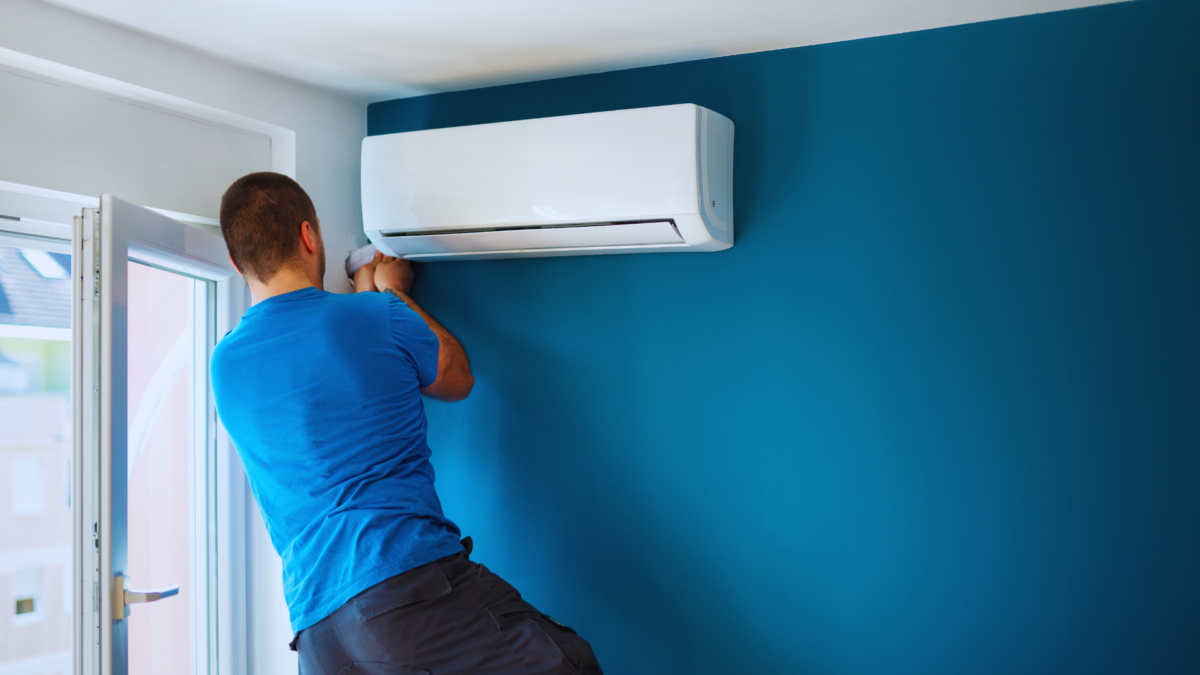
Upgrading an air conditioning unit can significantly enhance home comfort, providing more consistent cooling and improved energy efficiency. A new AC unit will not only lower energy bills but also increase indoor air quality and system reliability. As systems age, they often struggle to maintain optimal performance, resulting in discomfort during extreme temperatures.
In addition to cost savings, modern units come equipped with advanced technology, such as smart thermostats and variable-speed motors. These features contribute to a more tailored cooling experience, allowing homeowners to adjust settings easily and efficiently.
Moreover, investing in an upgrade with a reliable hvac service can prevent costly repairs and extend the lifespan of the HVAC system. A timely replacement ensures that the home’s air conditioning not only meets current standards but also operates quietly and effectively, providing peace of mind for years to come.
Benefits of Upgrading Your AC Unit
Upgrading an AC unit offers numerous advantages, primarily surrounding energy efficiency, indoor air quality, and overall comfort. Modern systems deliver significant performance improvements, allowing homeowners to enjoy a better living environment.
Enhanced Energy Efficiency
One of the main reasons to upgrade an AC unit is enhanced energy efficiency. Modern air conditioning systems, including energy-efficient heat pumps, utilize advanced technology that reduces energy consumption compared to older models.
Key benefits include:
- Lower utility bills: Upgrading often leads to significant savings on monthly energy costs.
- Greater SEER ratings: New units typically have higher Seasonal Energy Efficiency Ratio (SEER) ratings, indicating better energy performance.
- Variable speed compressors: These adjust cooling output based on demand, improving efficiency in various conditions.
These advancements help homeowners achieve a reduced carbon footprint while enjoying a cooler home.
Improved Indoor Air Quality
Another critical benefit of upgrading is improved indoor air quality. Newer AC units are designed to effectively filter and clean the air, which can significantly enhance the living environment.
Some features contributing to better air quality include:
- Advanced filtration systems: High-efficiency filters capture allergens, dust, and pollutants that aging units may miss.
- Humidity control: Modern units often include humidity management functions, helping maintain a comfortable indoor atmosphere.
- Ventilation options: Improved airflow systems can reduce contaminants and promote a healthier indoor environment.
Investing in an upgraded system can lead to fewer respiratory issues and a more enjoyable living space.
Increased Home Comfort and Zoning
Upgrading an AC unit with the help of HVAC experts in Albuquerque or elsewhere can significantly enhance home comfort. New systems often include zoning features, allowing for targeted cooling in specific areas of a home. Professional guidance can help homeowners choose advanced, energy-efficient systems with smarter climate control, ensuring long-term comfort and cost savings.<./span>
Key aspects to consider:
- Zoning systems: These enable homeowners to set different temperatures in various rooms, providing tailored comfort.
- Consistent temperature control: Modern units maintain steady temperatures better than older systems, reducing hot or cold spots.
- Noise reduction: Advanced technology minimizes operational noise, allowing for a quieter indoor environment.
With improved comfort and the ability to customize spaces, upgrading an AC unit can transform a home into a more pleasant setting.
Understanding SEER Ratings and Economic Impact
Seasonal Energy Efficiency Ratio (SEER) ratings play a critical role in assessing the efficiency of air conditioning units. The economic implications of these ratings are significant, particularly concerning long-term savings, system age, and available rebates.
Evaluating SEER and System Age
SEER ratings indicate the cooling output of an air conditioning system divided by the energy it consumes over a typical cooling season. Higher SEER ratings reflect greater energy efficiency.
When determining whether to upgrade, it’s vital to consider the age of the current system. Generally, units older than 10-15 years tend to have lower SEER ratings. A unit with a SEER rating of 10, for instance, is substantially less efficient than newer models with ratings of 16 or higher.
Investing in a higher SEER system can lead to reduced energy bills. For homeowners paying high electricity costs, an efficient system can create savings that outweigh the initial investment over time.
Calculating Long-Term Cost Savings
Calculating long-term cost savings involves examining energy usage and current electricity rates. For each additional SEER point, energy savings can increase between 5% and 10%.
For example, a 3-ton air conditioner with a SEER rating of 14 may use approximately 3,000 kWh annually, while a unit with a SEER rating of 20 may only use 2,250 kWh. At an average electricity cost of $0.13 per kWh, the annual savings would be approximately $97.50.
Over the lifespan of the unit, typically 15 to 20 years, the total savings can be significant. Homeowners should account for these savings when considering an upgrade.
Rebates and Incentives
Many local and federal programs offer rebates for upgrading to energy-efficient cooling systems. These incentives can alleviate some costs associated with purchasing a new air conditioning unit.
Rebates may vary based on the SEER rating of the new system, with higher-rated systems often qualifying for larger incentives. For instance, a system with a SEER rating of 16 or above may provide access to substantial rebates.
Homeowners should research available incentives in their area and factor these into the overall cost analysis when upgrading. Taking advantage of these programs can significantly impact the financial feasibility of investing in higher-efficiency units.
Selecting the Right AC Unit for Your Home
Choosing the right air conditioning unit involves understanding various systems available, their functions, and how they fit into a home’s specific needs. Key factors include system types, energy efficiency, and smart technologies for better control.
Central Air vs. Ductless Systems
Central air conditioning systems are widely used in residential HVAC. They utilize ducts to distribute cool air throughout the home. This option works best for larger homes needing consistent temperature control in multiple rooms.
In contrast, ductless systems, also known as mini-splits, offer targeted cooling without ductwork. They consist of an outdoor unit and one or more indoor units. These systems are ideal for homes without existing ductwork or for room additions where extending ductwork is impractical.
The benefits of ductless systems include enhanced energy efficiency and flexibility. Homeowners can cool only the rooms in use, potentially lowering energy bills. The choice depends on the home’s layout, existing infrastructure, and personal cooling preferences.
Exploring Heat Pumps and Geothermal Options
Heat pumps are efficient HVAC systems that provide both heating and cooling. They extract heat from the air or ground to transfer it inside during colder months and vice versa in the summer. This dual function makes heat pumps versatile.
Geothermal systems are a type of heat pump that uses the earth’s stable temperature. These systems involve a series of underground pipes filled with fluid to absorb heat from the ground. Although the installation cost is higher, geothermal systems offer significant energy savings over time.
Both options are environmentally friendly and can reduce reliance on fossil fuels. Homeowners should consider their climate, energy costs, and long-term savings when choosing between these systems.
Smart Controls and Customization
Smart controls enhance the functionality of HVAC systems by integrating technology for improved comfort and efficiency. These systems can connect to smartphones or smart home devices, allowing users to set schedules and monitor energy usage remotely.
Customization options such as zoning systems can also be beneficial. Zoning allows different areas of the home to maintain specific temperatures. This can lead to improved comfort and efficiency, particularly in larger homes.
Investing in smart technology not only increases convenience but can also lead to significant energy savings. Homeowners should prioritize compatibility with existing systems and consider potential future upgrades when selecting smart controls.